
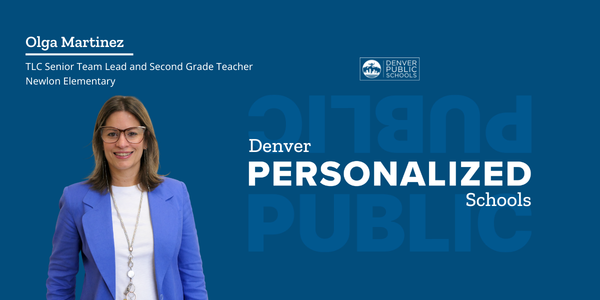
What grade do you teach and how long have you been teaching?
I have been teaching second grade for 24 years. 15 of those years were in my home of Puerto Rico.
How do you strive to impact students’ learning experiences?
I strive to impact students’ learning experiences by taking the time to truly get to know each of my students. This means understanding where they are academically, what they need to succeed and how they learn best. This process requires significant effort and goes far beyond simply knowing their names or favorite colors.
When I came here from Puerto Rico, I had to learn how to get to know my students in order to see what they really need. This year, for example, more than 60% of my students were well below grade level. In second grade, students need to learn paragraphs. It’s more about reading comprehension than teaching them how to read. That’s what they need to learn in first grade. At the beginning, it feels a little overwhelming, but when you start seeing your students reading and writing and you start seeing the success, you feel satisfied with the work you have done throughout the year. You see that it’s worth it.
By deeply understanding my students, I'm able to design targeted learning experiences tailored to each individual. This understanding also helps me effectively manage differences in learning styles, backgrounds and needs within my classroom. When students feel seen, understood and supported in their unique learning journey, they're more engaged and successful in their academic growth.
How do you define student success?
I define student success as creating a classroom community where students feel safe to be themselves and take risks, even on their most difficult days. Success is when students support each other through challenges and persist through demanding tasks.
Let me paint a picture: imagine a writing assignment that initially seemed overwhelming for my second graders. When I first started doing the assessment for writing, just a few were able to write a sentence, and at the end of the year the expectation is that they’ll be able to write a paragraph. At the beginning, students were disengaged, had low stamina, sat with empty papers and kept asking when class would end. Spending 10-15 minutes working on writing is difficult for them. That’s how it looks at the beginning.
But by the time you start building that community with your students, it looks like mistakes are okay. Let them be themselves, let them be authentic. We can celebrate little things.
Then, transformation happened. Those same second graders became fully engaged in their writing, helping one another, using scaffolds effectively, with small groups receiving targeted teacher support. In the background, you could hear calm music from Bluey, and suddenly those empty papers were filled with complete paragraphs. That transformation — from disengagement to collaboration, from empty pages to meaningful writing, from asking when it ends to being fully immersed in learning — that's what I call true student success. All of that success in the skills happens eventually after building the classroom community.
It's not just about the final product; it's about creating an environment where students feel empowered to grow, learn and support each other.
What are your secrets to ensuring student success?
My secrets to student success are:
Building Authentic Relationships: I believe in being genuine with my students. I make jokes, show my personality and create space for laughter in our classroom. When students see me as a real person who cares about them, they feel safe to be themselves and take learning risks.
Flexible Learning Options: I provide students with choices in how they learn and demonstrate their understanding. This flexibility honors different learning styles and helps every student find their path to success.
Creating a Growth-Minded Community: In our classroom, mistakes are normalized as part of learning and opportunities to grow. When students struggle, we frame it as something they can be proud of later when they see their growth.
Working Behind the Scenes: I believe in going beyond the classroom to support my families. I make phone calls to parents offering support with whatever they may need. For example, during Winter break, I noticed that some families have needs like food or clothes. It made me feel sentimental because I grew up in a poor home and I know what it is like to be hungry. School was important because it was where I had food every day. When I saw that I had a family experiencing those same needs, I needed to do something. I brought food and clothes for them. I look for ways to help and serve our families because it gives me deep satisfaction to support families during difficult times. When families feel cared for, students thrive.
When students know their teacher cares not just about their academic success but about their whole family's well-being, it creates a foundation of trust that transforms the entire learning experience. Students come to school feeling valued and supported, which opens their hearts and minds to learning.
What advice do you have for fellow educators who want to help their students grow and thrive?
My advice for fellow educators who want to help their students grow and thrive:
Be a lifelong learner yourself. Never stop growing professionally. When we model continuous learning, our students see that growth is a lifelong journey. This one is the most important one. You always need to be open to keep learning. I think that’s why I’m in a leadership position. I can learn from a lot of different people. I visit a lot of different classrooms and when I do, I'm just learning. I’m helping, but at the same time they are helping me see a different way of teaching.
Learn from the best. Seek out mentors, observe excellent teachers, read educational research and surround yourself with educators who inspire you to be better. I always like to be around people who know a lot because I want to learn from them.
Cultivate a growth mindset. Embrace challenges as opportunities, view setbacks as learning experiences and help your students develop this same resilient thinking.
Take time to truly know your students and their families. Understanding their backgrounds, interests and home experiences helps you connect learning to their lives and build meaningful relationships. I am not the same teacher I was 15 years ago. When I started teaching in DPS after teaching in Puerto Rico for 15 years, I needed to innovate myself. I needed to learn another way of teaching because we have a diverse student population and you need a different teaching style. To be open to learning you need to have an open mindset all the time.
Take time to know your students and family because that will guide you to know what to do. Understand what they really need because not every year is the same. Every time I start a new year, I do something different. I need to figure out how to structure my class and what they need is always different.
Ask for help when you need it. Teaching is challenging work, and the best educators know that collaboration and seeking support makes us all stronger.
Enjoy what you do. Your passion and joy for teaching is contagious. When students see that you love what you do, they're more likely to love learning too. Remember, when we take care of ourselves as learners and educators, we're better equipped to help our students flourish.
This year, we are launching a new campaign where we replace the word “Public” in Denver Public Schools with five empowering adjectives — Passionate, Personalized, Powerful, Prestigious and Proud — to highlight what makes DPS amazing. Which one resonates with you the most and why?
The adjective that resonates with me most is “Personalized” because it captures the heart of my teaching philosophy. Everything I've shared — from taking time to truly know each student, to providing flexible learning options, to working behind the scenes with families — is about personalizing education for every child. Personalized education means recognizing that behind every student is a unique story, a family with specific needs and an individual learning style. When education is truly personalized, students don't just learn — they thrive. They feel seen, valued and empowered to take risks.
That's what makes Denver Public Schools amazing — our commitment to meeting every student exactly where they are and helping them reach their full potential.